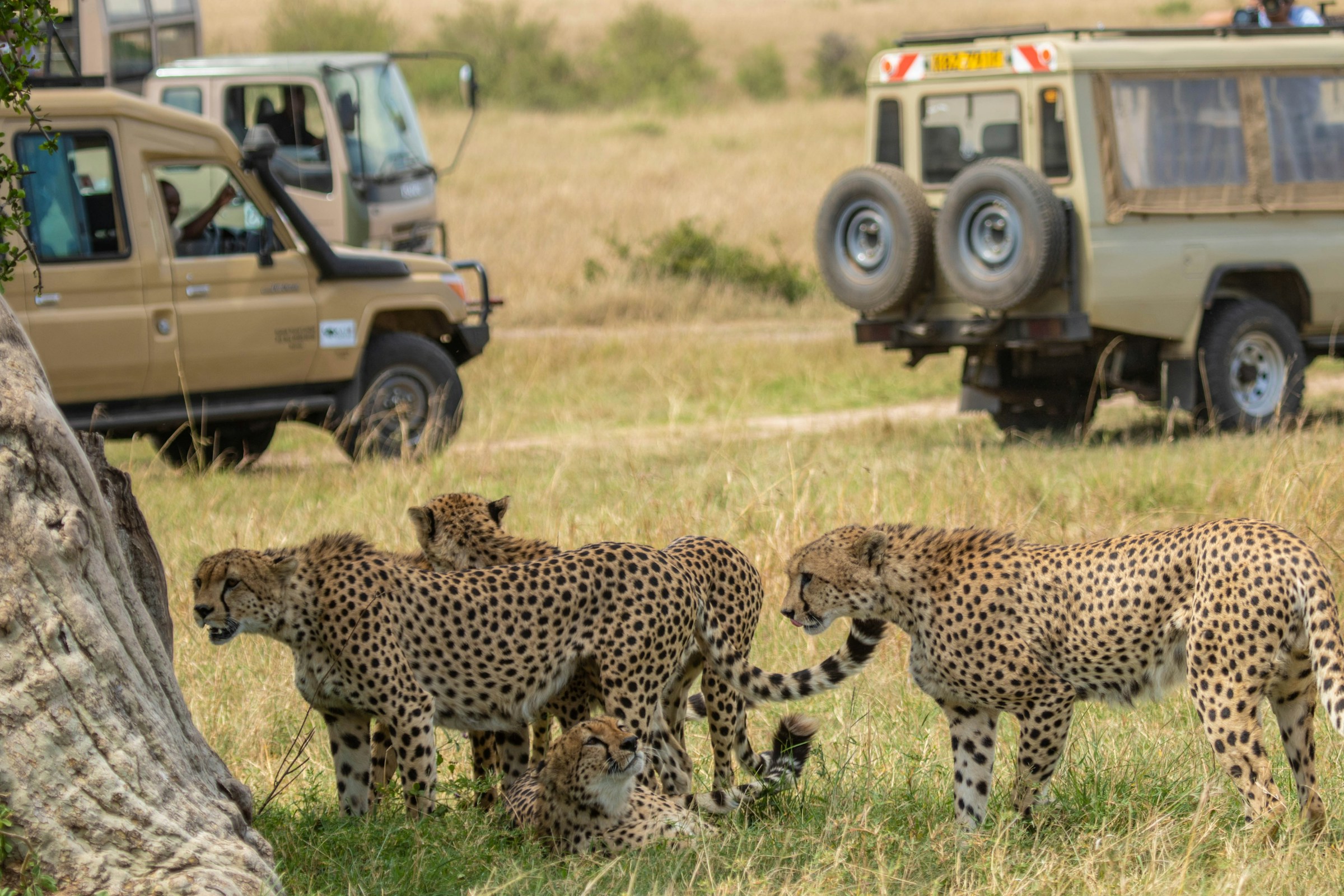
Native wildlife tracker and founder of Sri Lanka Safari Jeep. Over a decade of ethical field tracking in Minneriya, Kaudulla, and Hurulu Eco Park.
My name is Danushka Maduranga, and I am the founder and lead guide of Jeep Safari Minneriya. Growing up in the villages surrounding Minneriya and Habarana, the ancient dry-zone forests, tank systems built by our ancient kings, and the majestic Sri Lankan elephants (Elephas maximus maximus) were part of my everyday life.
Over the past decade, I have guided thousands of international travelers, documentary photographers, and wildlife researchers through Minneriya National Park, Kaudulla National Park, and Hurulu Eco Park. I founded Jeep Safari Minneriya with one simple goal: to provide an authentic, comfortable, and ethically responsible safari experience without commercial shortcuts.
When you book a safari with me, you are not treated like another tourist in an impersonal tour bus. You are my personal guest, and I treat each excursion as an opportunity to share the wonders and fragile beauty of Sri Lanka's wildlife.
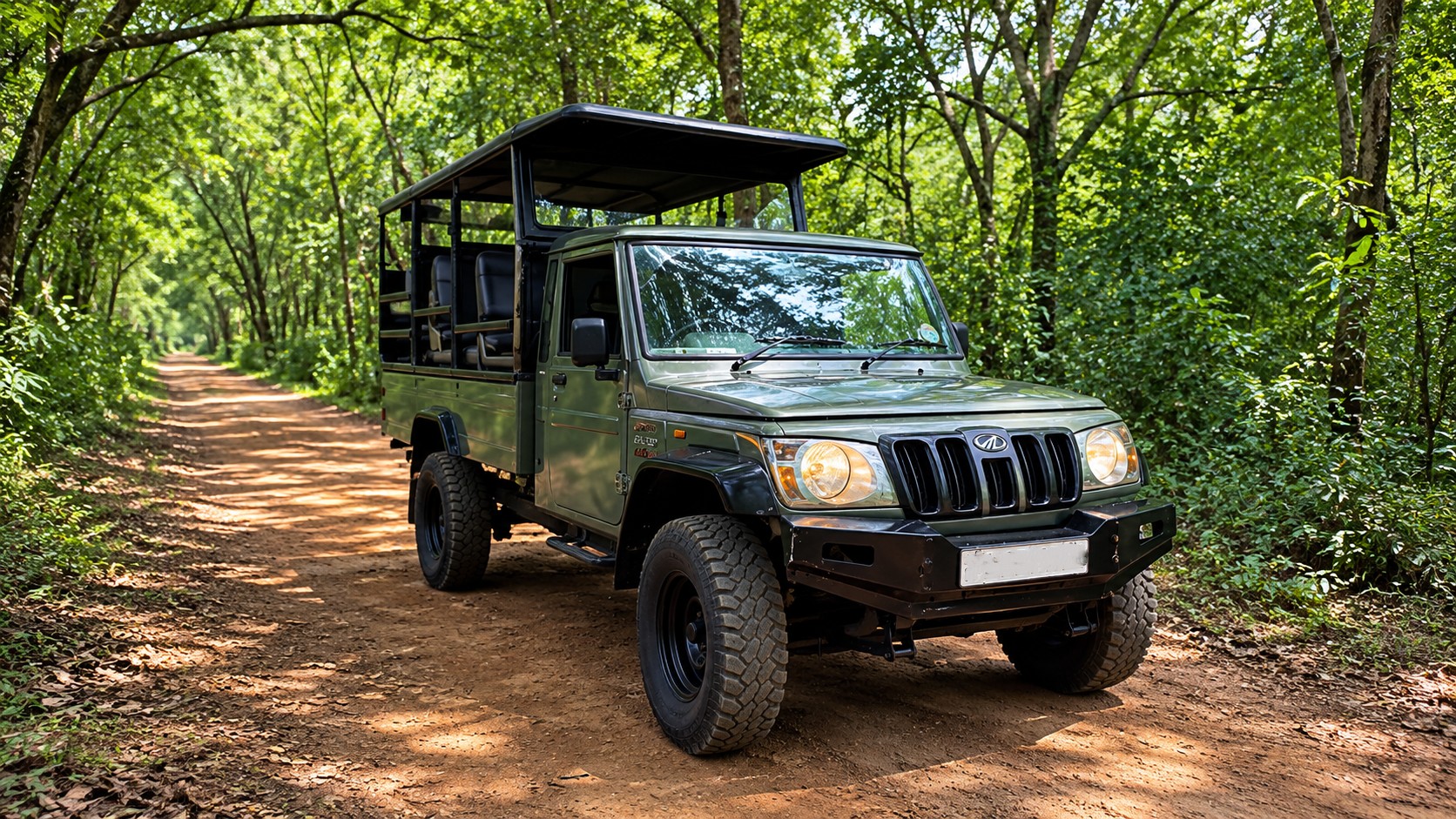
Engineered specifically for wildlife viewing and high-end photography in tough forest terrain.
Every seat is cushioned and elevated theater-style, ensuring backseat passengers have unobstructed 360-degree views without heads blocking their camera lenses.
Our heavy-duty steel safety roll cages feature retractable weather-proof canvas canopies for shade under hot midday sun or full open-air breeze during sunset.
Equipped with padded beanbags for stabilizing telephoto lenses, wide windows, and dual USB charging ports to keep camera batteries running all afternoon.
We love wildlife, and their safety and comfort always comes before a photo.
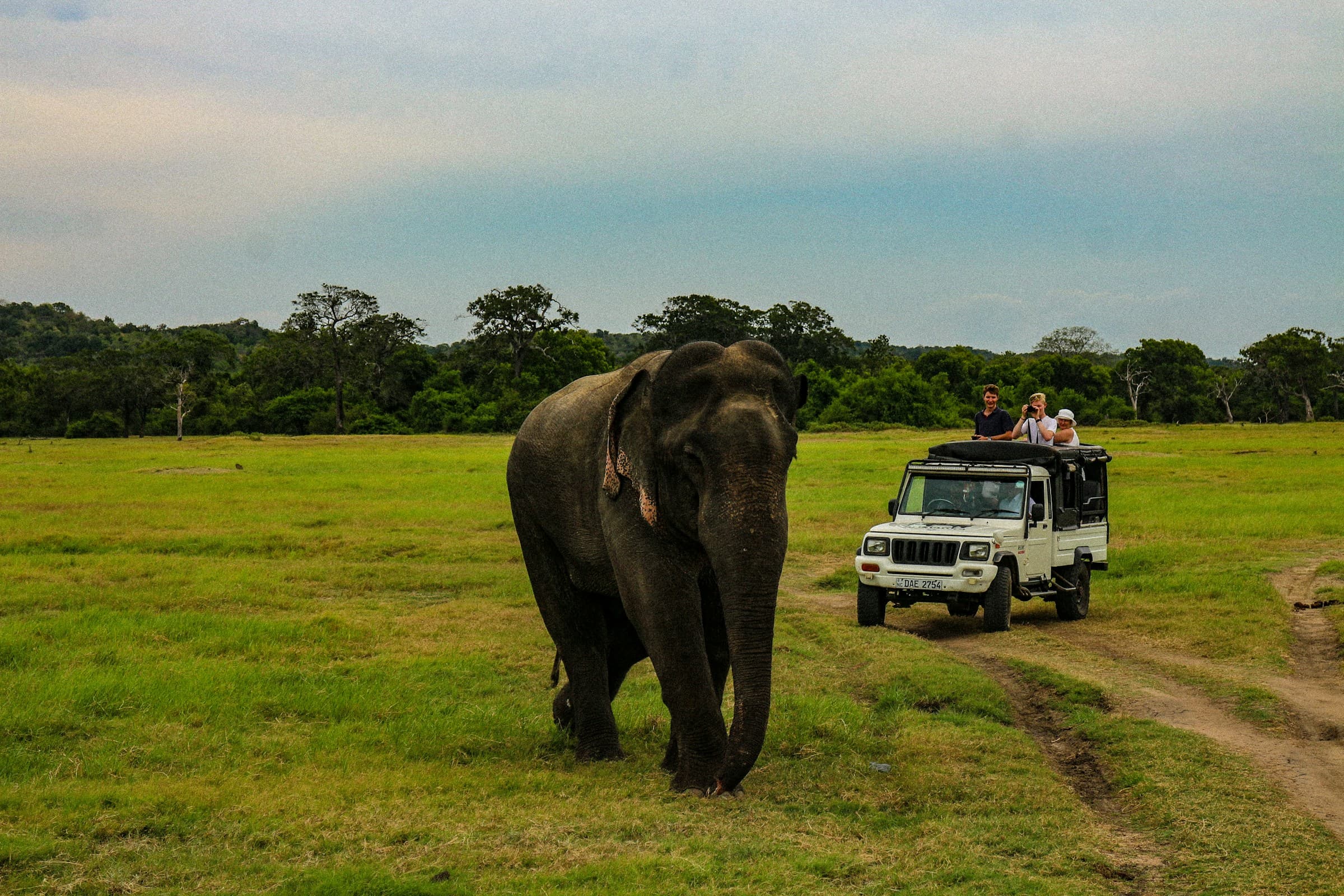
We cut the engine near herds so you can hear elephant vocalizations, ear flapping, and gentle splashing without diesel noise or exhaust fumes disturbing them.
We never park in front of mothers and newborn calves or obstruct elephant pathways between the forest tree line and the water reservoir.
All trash and plastic are strictly collected on board and safely disposed outside the national park boundaries to safeguard wild animals.